

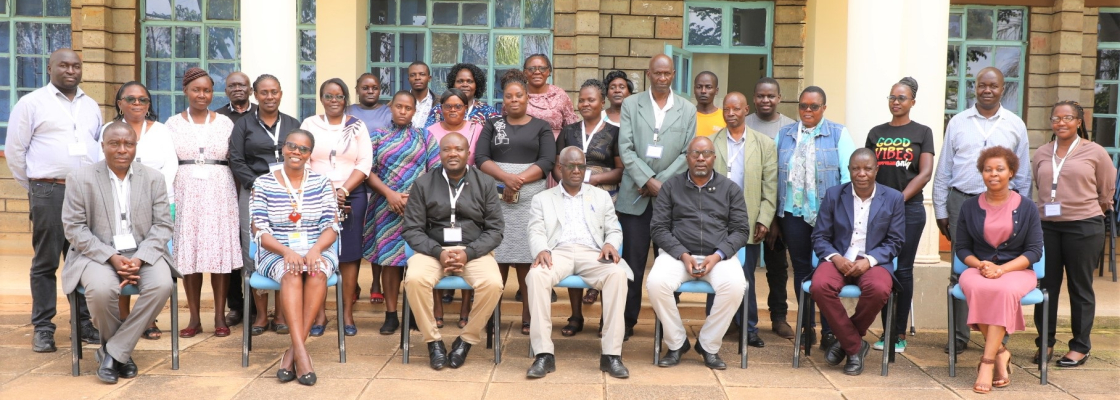
The participants of the workshop.
The participants of the workshop.
Masinde Muliro University of Science and Technology (MMUST) in collaboration with the International School of Climate Migration (ISCM)-UK is delivering month-long lectures on cutting-edge topical issues on Climate Change. The key objectives of this seminar that is hosted at SOAS University of London are to further research around the climate migration nexus, to facilitate an educational forum for critical dialogue, offer evidence-based learning, and solutions-driven engagement, expand the network of scholars and advocate for climate mobility space. The lectures began on 5th June 2023 and will be ongoing until 5th July 2023.
The seminar is Co-hosted by Earth Refuge and the Law, Environment and Development Centre, the Centre for Migration and Diaspora Studies and the Centre for Human Rights Law and is attended by more than 80 scholars, students and participants from all over the world. The ISCM seeks to equip participants with the tools needed to critically analyze the complexities of climate-induced migration and displacement as they interact with challenges and opportunities for sustainable development and the protection of human rights.
MMUST is represented by Dr. Nicodemus Nyandiko, a researcher and a lecturer in the Department of Disaster Management and Sustainable Development whose presentation will be based on ‘Enhancing Resilience and Adaptive Capacity to Compounding Impacts of Climate Change and Forced Displacement: An integrated human mobility ‘toolbox” policy approach’.
The outcome of this presentation is to enable learners to grasp varying approaches to building and measuring the resilience of vulnerable communities against climate change impacts, natural disasters, and related forced displacement. It also considers the role of affected communities in mitigation, adaptation and resilience-building.
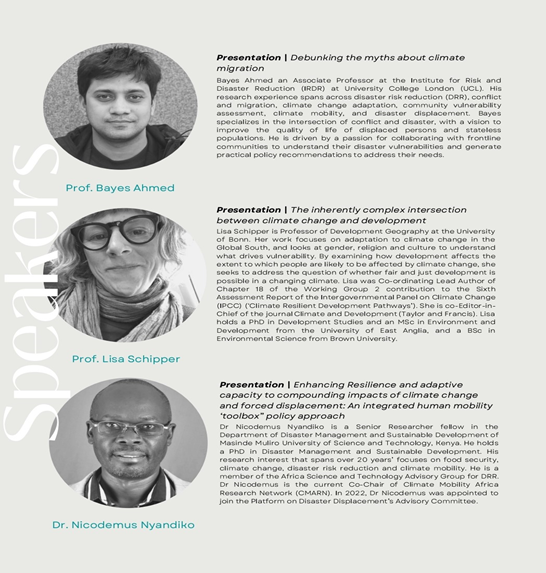
Dr. Nyandiko’s presentation allows researchers to unpack the nexus of policy issues in the context of environmental (im)mobilities, to survey a host of mitigation, adaptation, sustainable development, disaster risk reduction policies, and strategies and to consider their impact on (im)mobilities, to gain insight into current policy debates on loss and damage.
The other presentations during this seminar focus on various topics such as; ‘Multiple and Complex Drivers and Agency in Climate-Related (Im)Mobilities’. This is aimed at developing conceptual tools for grappling with the multiple and complex drivers of climate-related migration and displacement, comprehending environmental (im)mobilities within a broader mobility spectrum, and gaining insight into key terminological debates on the climate change-environment-mobility nexus.
‘Understanding the Climate Migration, Conflict, and Violence Link’
The presentation is meant to equip the participant with knowledge to understand key debates pertaining to the correlation versus causality of climate change and violent conflict, and their impacts on human mobility. It addresses the various approaches taken by scholars and practitioners in response to the climate change, migration, and conflict nexus, to understand the relevance of violence in and across climate change-related events
The seminar seeks to respond to the gaps in teaching and thinking on climate migration and equip researchers with insights and approaches to dealing with the complexity of climate change. It is a timely venture that encourages a new generation of scholars to engage in collaborative research to contribute critical perspectives and knowledge to the development of cross-sectorial solutions to climate change.
By Linet Owuor
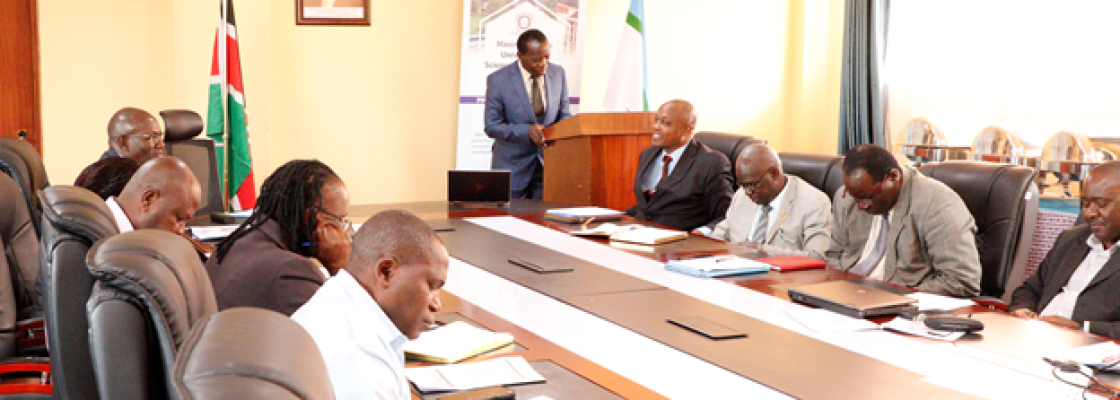
A section of the participants following presentations at the conference.
Masinde Muliro University of Science and Technology’s 16th International Multi-Disciplinary Virtual Conference commenced on 14th June, 2023 with an effort to combat the risks of climate change in the region as well as the globe. The conference themed, ‘Climate Change: Impacts and Responses’, brought together scholars from various parts of the planet who are working tirelessly to save the ecosystem. This event which was presided over by the Vice-Chancellor, Prof. Solomon Shibairo, was organized by the Directorate of Research and Postgraduate Studies in conjunction with the School of Disaster Management and Humanitarian Assistance (SDMHA).
The three-day conference which will end on Friday, 16th June, 2023, focuses on: climate change and governance, Indigenous Knowledge Systems, Security, Health, Communication, Technology, Finance, Vulnerable Populations as well as Research, Innovation and Education.
In his opening remarks, Prof. Shibairo Climate noted that climate change is increasingly becoming a pressing concern globally which should be treated as an immediate threat. He acknowledged that the University and other institutions have been at the forefront of conducting scientific research on climate change which are geared towards establishing the causes and consequences of climate change, development of innovative solutions and exploring sustainable alternatives.
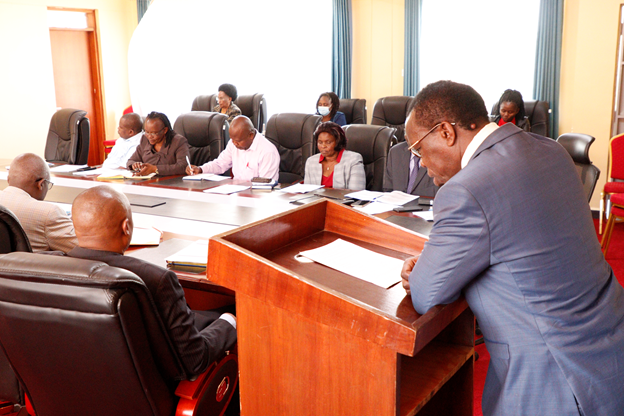
The Vice-Chancellor, Prof. Solomon Shibairo speaking giving his opening remark.
“As a university, we should champion sustainable practices for the sake of the next generation. I encourage you to continue demonstrating the feasibility and benefits of sustainable practices, which will inspire and motivate the community to adopt similar measures. I believe this conference will lead us to develop our own climate change policy which will effectively promote this cause. Let us grow partnerships with communities, NGOs, businesses, and government agencies to implement collaborative climate action initiatives,” Urged Prof. Shibairo.
Further, Prof. Shibairo advocated for smart agricultural practices and guaranteed his support towards the projects which are geared towards promoting the Green Circular Economy. He challenged the engineering department to innovate electric transport systems to reduce carbon emissions.
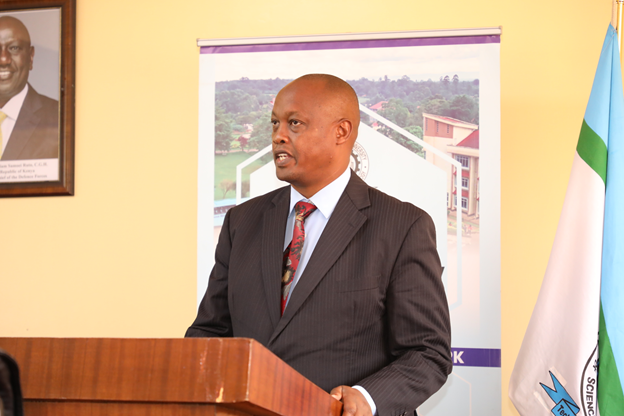
The Deputy Vice-Chancellor (Planning, Research and Innovation)- Prof. Charles Mutai giving a remark at the conference.
According to the Deputy Vice-Chancellor (Planning, Research and Innovation)- Prof. Charles Mutai, this conference comes at a time when we are in dire need of solutions to the challenges posed by the effects of climate change. He added that humanity is suffering due to rapid climate change and this event will enable us to find possible solutions to it.
“The effects of climate change have tremendously changed our lifestyle. There is a need for multi-disciplinary researchers to address the complex environmental problems of our time. It is our commitment to offer long lasting solutions to save humanity, and this conference clearly sends a message that there is a way forward to save the ecosystem. Through this conference, our researchers will gain an arsenal of skills in research that are transferable across the planet,” stated Prof. Mutai.
The Deputy Vice-Chancellor (Administration and Finance) Prof. John Kuria Thuo pointed out that climate change has immense effects on the global economy and all activities across the world. In addition, he stated that this conference has the potential to provide diverse initiatives to save our planet and increase our food basket.
“Developing countries have contributed least to the management of climate change. For this reason, we are the most vulnerable to the impacts of climate change. However, failure to address the challenges would be disastrous for the whole planet. I urge scholars attending this conference to come up with research ideas that can address a planet-based diet, food wastage, deforestation and renewable energy,” said Prof. Thuo.
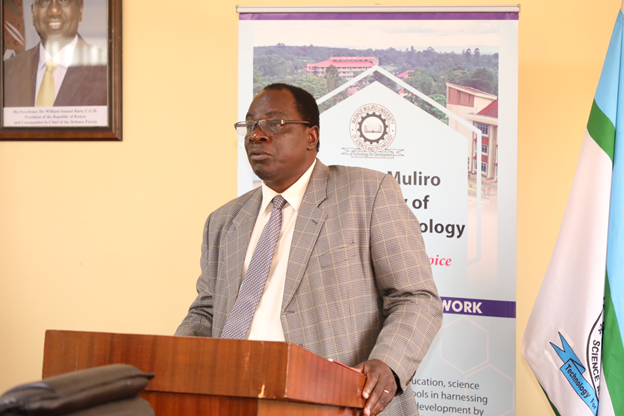
The Acting Principal of TVET Institute, Prof. Basil Ong’or speaking during the conference.
Reiterating Prof. Thuo, the Acting Principal of TVET Institute, Prof. Basil Ong’or who was representing the Deputy Vice-Chancellor (Academic and Student Affairs)- Prof. Hussein Golicha acknowledged that Climate change is having substantial physical impacts in the regions across the world including the institutions of higher learning.
“Solutions to the effects of climate change require a complex synthesis of ideas from a variety of disciplines in Science, Technology, Engineering, Mathematics and Humanities. MMUST has played a crucial role in educating students, faculty and the broader community about climate change. We have achieved this largely through incorporating climate change into various academic disciplines as well as review of our curricula to integrate climate change and sustainability across various disciplines,” stated Prof. Ong’or.
The Registrar (Planning, research and Innovation)- Prof. Alice Ndiema stated that climate change is an inter-disciplinary issue and solving it requires multi-disciplinary cooperation. Moreover, she said that the conference will increase our knowledge and provide a platform for the University to share knowledge with communities and other stakeholders. She commended researchers who are committed to finding solutions to save livelihoods. “Research impacts on climate change, as well as human health and environmental practices. Let us utilize scientific information and tools to effectively, equitably, and sustainably tackle the climate crisis,” she stated.
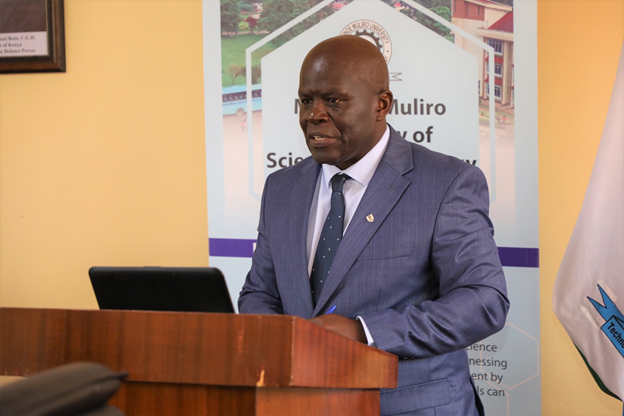
The Director Research and Postgraduate Support, Prof. Peter Bukhala addressing participants.
Expressing his delight for hosting the event, the Director Research and Postgraduate Support, Prof. Peter Bukhala said that the conference is not only designed to appreciate the efforts of researchers but also to celebrate their achievements in finding solutions to the global crisis. He thanked the management for its unwavering support towards this cause. Similarly, the Dean, SDMHA- Dr. Ferdinand Nabiswa acknowledged that the conference is here to reveal how science and governance can play a crucial role in combating climate change. He revealed that MMUST’s SDMHA is the only faculty offering programs in disaster management at all levels.
Scholars have showcased exciting presentations tailored towards combating the risks of climate change. These were aligned with the seventeen (17) United Nations Sustainable Development Goals (SDGs). Some of the notable presentations include: ‘Convergence of Indigenous Knowledge Systems and Modern Science in Combating Climate Change’ by H.E Dr. Wilber Ottichilo- the Governor of Vihiga County, ‘The Politics of Climate Change’ by Prof. David Monda of City University- New york, ‘The Burning Planet Earth: Where Will Africa be in 2023?’ by Prof. Josephine Ngaira of MMUST, ‘What will it take to Deliver Low Carbon Transport System?’ by Dr. Maleki Khayesi from WHO- Geneva, ‘Climate Change and Security in the Horn of Africa Region’ by Dr. Cliff Obwogi of International Peace Support Training Centre- Karen, ‘Climate Change and Water Resources Management’ by Prof. Eng. Emmanuel Kipkorir of Moi University, as well as ‘Exploitation of Natural Resources and Climate Change’ by Dr. Christopher Aura of KEMFRI.
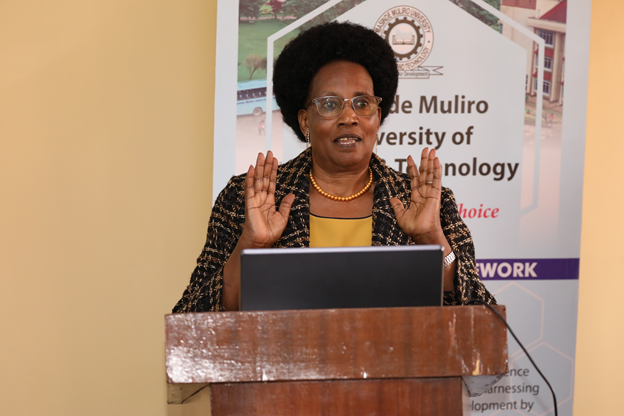
Prof. Josephine Ngaira making a presentation on, ‘The Burning Planet Earth: Where Will Africa Be in 2023?’
The highly-attended conference consisted of scholars from the Ministries, County Governments, Business Associations, and the Higher Institutions of learning in Kenya including: Masinde Muliro University of Science and Technology, Maseno University, Garissa University, Kenyatta University, Moi University, Maasai Mara University. The other parts of the globe were also represented by scholars from the United Kingdom, United States of America, South Africa, Switzerland, Finland and Namibia.
Certainly, this conference enables professionals and practitioners from different fields of expertise to share knowledge and provide long lasting solutions to the global threat. Therefore, we shall manage to save livelihoods as well as the ecosystem.
By Verna Awuor Kungu
Photos by Shiundu Masafu
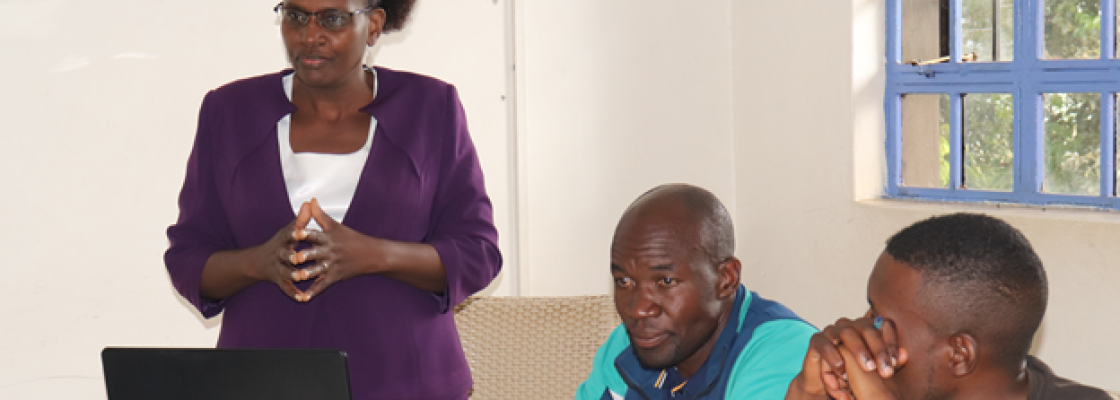
The Principal Investigator, Prof. Elizabeth Omukunda, gives her remarks during the Stakeholder Workshop at Kakamega Sports Club.
Masinde Muliro University of Science and Technology’s researchers have championed proper documentation of gold mining, with the aim of improving the business in Western, Kenya. This was revealed during a one-day Stakeholder Workshop, involving miners from Ikolomani Constituency, which took place on Tuesday, 13th June, 2023 at the Kakamega Sports Club. The Workshop was courtesy of a URF-funded project titled ‘Effects of Gold Mining on Education, Environment, Human Health and Social Constructs in Kakamega County, Western Kenya’.
According to the project’s Principal Investigator, Prof. Elizabeth Omukunda, one of the main goals of this research is to generate information which will allow for policy formation regarding gold mining in Kakamega County. “Universities are mandated to solve issues of the communities surrounding them, which is what we hope to achieve at the end of this research. We understand that small-scale miners are facing a lot of challenges and we hope to come up with solutions that will alleviate this,” said Prof. Omukunda, adding that her research team will embark on a capacity building exercise after data collection.
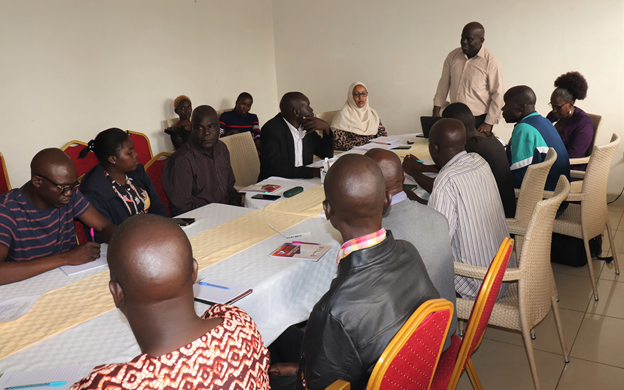
Prof. Bukhala presenting at the Workshop.
“Gold mining should be conducted in a structured manner in order for the entire community to reap the benefits. There needs to be a policy, both at the County and National levels, advocating for improved mining business,” stated the Director of Research and Postgraduate Support, Prof. Peter Bukhala, who is also a Co-investigator in the project. Further, Prof. Bukhala pointed out that gold mining is a very lucrative business, but lacks proper artisanal policies. “Thank you for being resourceful and I encourage you all to keep the conversation from this Workshop going,” he added.
The Chairperson of artisanal miners, Ikolomani Constituency, Mr. Patrick Makhule, reiterated that the mining business should be formalized, and added that small-scale miners should be trained especially on matters of safety as well as environmental conservation. “Miners have been losing lives in shafts due to lack of supervision, hence the establishment of a resilient team. This is a self-regulating group that deals with safety training, conflict resolution, site inspection among other things,” said Mr. Makhule.
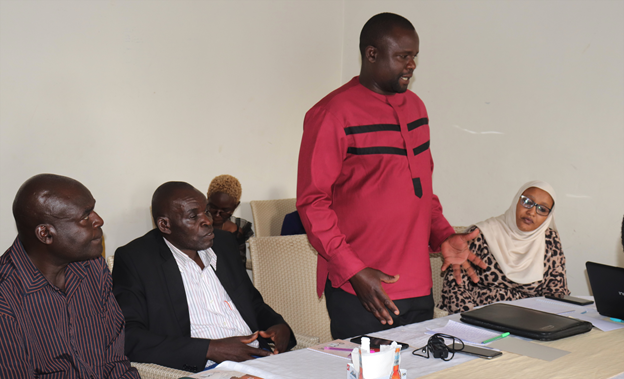
Mr. Patrick Makhule gives his remarks.
“I look forward to this collaboration, and I foresee a long-term relationship between MMUST and the people of Ikolomani Constituency,” said the Chairperson of MMUST’s Department of Economics, and a Co-investigator in the project, Dr. Umulkher Ali. Dr. Ali said that there is a need for miners’ legal representation, adding that they should be empowered to pursue education, which is important as far as investments and good record keeping is concerned.
During the Stakeholder Workshop, miners appreciated the University for reaching out to them and echoed that they would wish for Ikolomani Constituency to lead in the gold mining sector in the country. They shared the various challenges that they encounter in their line of work, including, lack of proper equipment and exploitation by investors. Subsequently, they emphasized the need for safety training, seeing that miners use Mercury to separate gold from other minerals, which may cause adverse effects to human health.
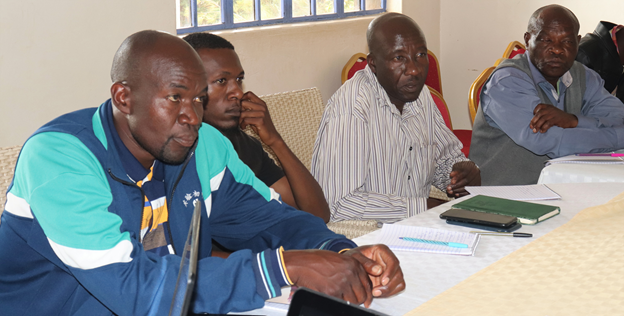
A section of the Ikolomani gold miners during the Stakeholder Workshop.
Other Co-investigators in this project are; Dr. Christine Wanjala, Dr. Iddah Maulid Ali, Dr. Pamela Buhere, Dr. Issa Kweyu, Dr. Joseph Owino, Dr. Peter Cherop and Mr. Peter Nyongesa.
By Ivy Alivitsa and Getrude Ajiambo
Photos by Wangari Wambugu
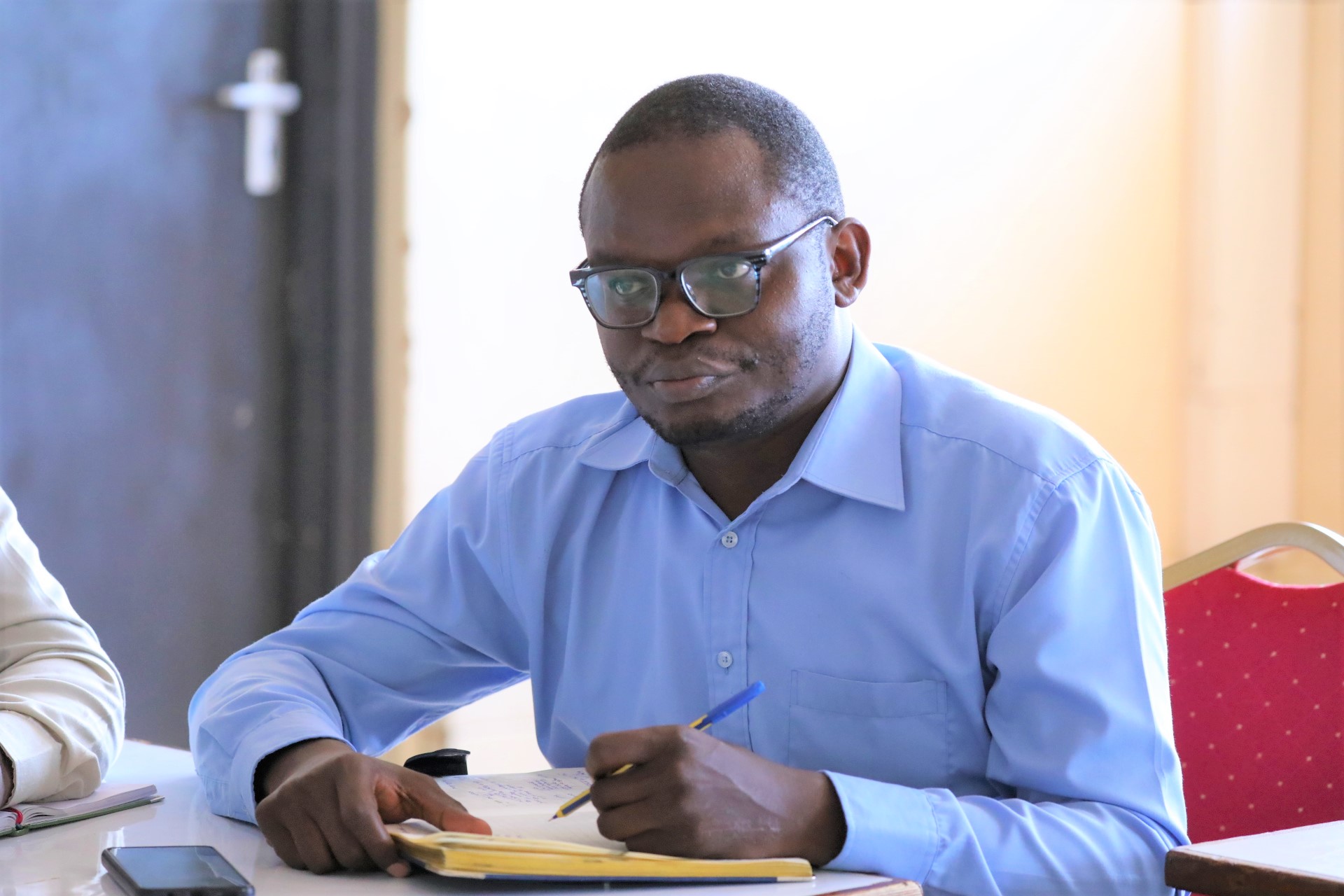
Dr. Humphrey Agevi, a lecturer at the Department of Biological Sciences during the meeting.
Masinde Muliro University of Science and Technology (MMUST) is set to collaborate with ECO2librium in restoring Kakamega Tropical Rainforest through the Carbon Accelerator Grant from Terraformation. This is through the grant that the two institutions applied for last year, where MMUST applied through a lecturer in the Department of Biological Sciences, Dr. Humphrey Agevi. Since the two institutions applied to support the same ecosystem, Terraformation organization agreed that they will work together courtesy of the existing Memorandum of Understanding (MOU) between the two institutions.
ECO2librium is a conservation-based company that undertakes projects, develops products, and initiates activities aimed to conserve the environment and improve people’s livelihoods. Some of the activities they carry out include agroforestry to support sustainable forestry, and supporting communities in installing efficient energy cook stoves.
The team from Terraformation visited MMUST on 12th June 2023, to conduct a feasibility of the project and to engage the partners that will be involved in the execution of the restoration project. The project will be carried out in collaboration with MUILESHI Community Forest Association (CFA), Kenya Forest Service (KFS), Kenya Wildlife Service (KWS), and Kenya Forestry Research Institute (KEFRI).
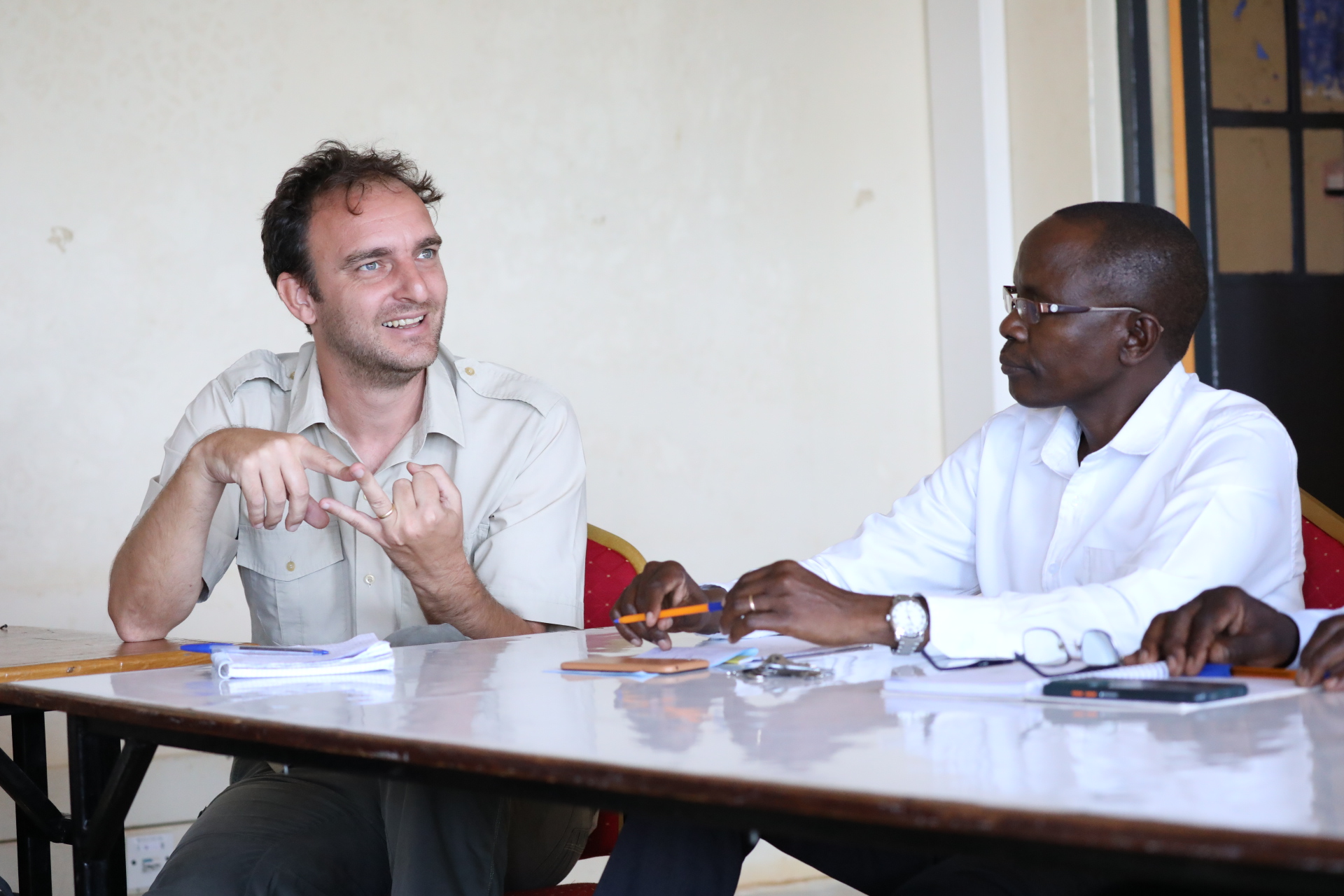
Mr. Damien Kuhn from Terraformation and the Chairperson, Department of Biological Sciences- Dr. Philip Ogutu during the meeting at SPD 314.
Commenting on the project, Dr. Agevi noted that MMUST will contribute to the project through soil analysis, quantification of the seed bank in degraded areas to provide information on trees that initially existed in the region, capacity building of communities, development of training manuals on tree seedlings establishment and management, carbon measurement and modeling, Income generating activities (IGA), seed collection and propagation. MMUST postgraduate students will be attached to the project to help in data collection and field monitoring and measuring of carbon.
Additionally, Prof. Harrison Tsingalia noted that the forest cover has been dwindling over the past years despite concerted efforts to conserve it. He assured that this project is timely as it will contribute greatly to restoring forest cover and supporting livelihood components, especially of the Forest Adjacent Communities (FAC) who will be supported to grow trees on their farms for their own use and sale.
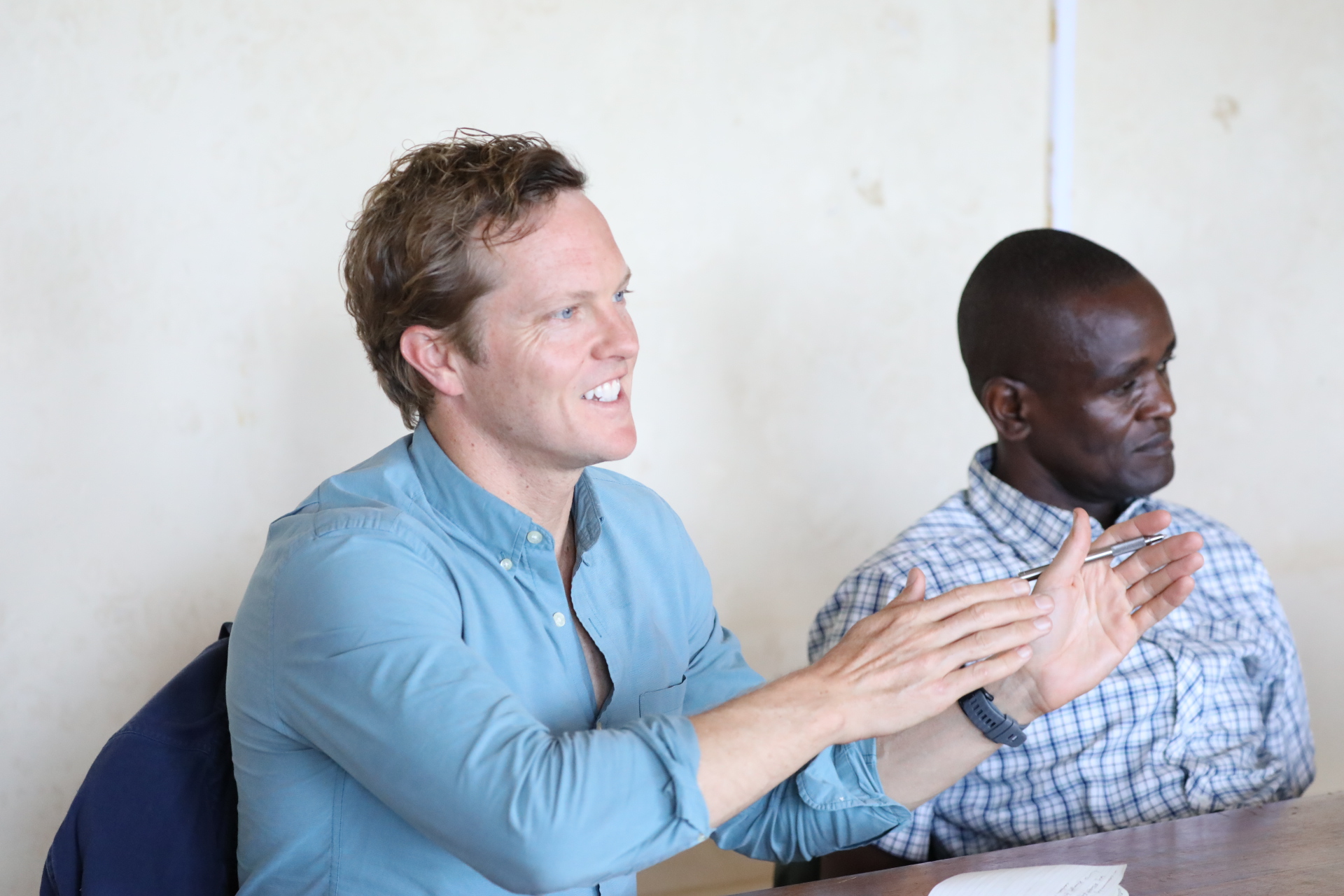
Mr. Adam Finck from Terraformation explains a point during the meeting.
Similarly, Mr. Hardley Malema from ECO2librium noted that the project will support tree nurseries and increase their capacities to produce more seedlings. The community groups will provide labor during tree planting, scouting to help protect the planted forests, and conducting inventories. Reiterating his counterpart, Mr. Chris Amutabi alluded that the project will also have non-carbon revenue streams to help communities generate their own income through activities like beekeeping, value addition on guavas, and ecotourism. Terraformation will also provide Terraware software to help monitor and calculate the amount of carbon in the planted trees.
The Chairperson of, the Department of Biological Sciences- Dr. Philip Ogutu noted this is a key project that will support their students for practical learning adding that the Department is ready to fully support it. Other members present were: Mr. Victor Otieno from Centre for Ecosystem Restoration Kenya (CERK), Mr. Damien Kuhn, and Mr. Adam Finck from Terraformation.
Given its terminal stakes, reversing climate change should be the highest global priority. This can only be achieved through reforestation that this project encourages. It is dedicated to restoring the world's forests to stabilize our climate, revive ecosystems, and build thriving communities.
By Linet Owuor
Photos by Shiundu Masafu
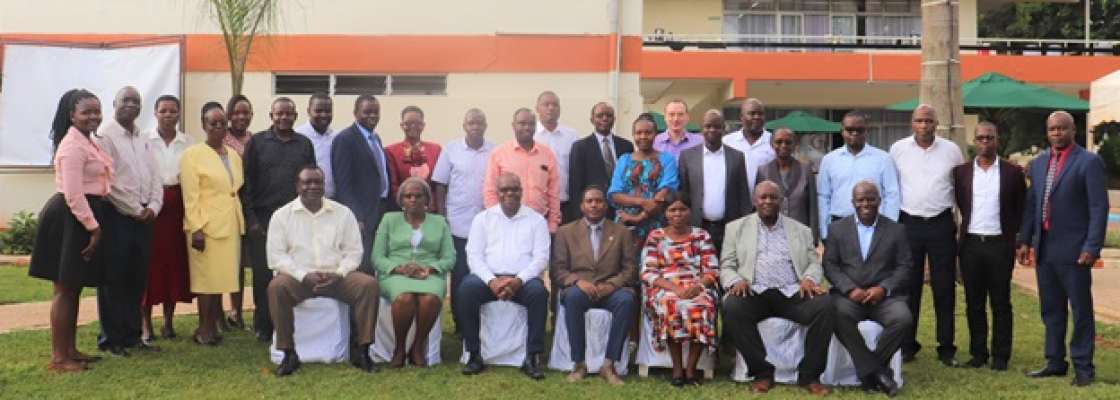
The participants of the workshop.
Masinde Muliro University of Science and Technology’s School of Natural Sciences (SONAS) researchers have undergone a capacity building workshop in a bid to polish their grant proposal writing skills. The one-day workshop, which took place on 8th June, 2023, was geared towards establishing grant winning proposals which will not only solve societal problems, but also attract funds to support the University operations. It was presided over by the Registrar (Planning, Research and Innovation)- Prof. Alice Ndiema, who was representing the Deputy Vice-Chancellor (Planning, Research and Innovation)- Prof. Charles Mutai.
In order to achieve this, the school which is led by Dr. Joseph Owino commissioned facilitators from reputable institutions who trained the researchers on writing successful grant proposals. The facilitators were: Prof. Peter Njoki from Hampton University and Prof. Collins Ouma from Maseno University. The workshop consisted of researchers from the departments of Chemistry, Physics, Biology and Mathematics.
In her opening remarks, Prof. Ndiema acknowledged that science is the backbone of society which helps us navigate our ever-changing world. She added that the school has scientific-based researchers who are rich in knowledge that offers solutions to societal problems. “The University is lucky to have scholars who are committed to establish possible solutions to everyday challenges especially in this era of artificial intelligence. Let us support our researchers to thrive in the fast-paced market dynamics,” she urged.
According to Prof. Peter Njoki from Hampton University, a good proposal should convey the attitude that you have identified an important problem, and you are the right person to do the work and find the answers. In addition, he stated that a good researcher should have a great scientific idea which has relevance to an identified target and can be investigated thoroughly within the context and reasonable time frame.
“Before writing a grant proposal we must understand the needs, the proposal procedure and guidelines, as well as the target audience. As scientific researchers, our aim is to train students to become medical researchers. Therefore, I urge you to seek supportive collaborators who will help us achieve this. Let us be ready to tackle challenges ahead,” said Prof. Njoki.
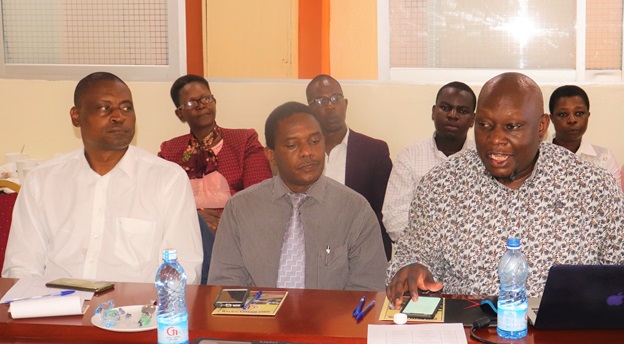
Prof. Collins Ouma from Maseno University (far right) making a presentation while Prof. Peter Njoki from Hampton University (second right) and other participants listening keenly.
In his presentation, ‘Applications for Grants: Key Aspects of a Competitive Proposal’, the Professor of Biomedical Sciences- Prof. Collins Ouma who is also the Director Research (Maseno University), noted that an outstanding proposal is based on new ideas, knowledge of published relevant work, experience in essential methodology, as well as the future directions and contingency plans. Additionally, he said that the proposals should be published in reputable journals, presented at high-quality meetings, as well as fundable on competitive grant review.
“Obtaining grant funding comes with a wider array of benefits to both the individual and the institution. Let us balance the teaching load, research and community service in order to benefit from it. The University should consider research as its first priority. I urge you to utilize the available opportunity appropriately and embrace teamwork in order to be successful in the field of research,” stated Prof. Ouma.
Further, the renowned professor reiterated Matthew Lesko saying that Grant writing is very competitive, takes time, requires persistence, involves careful attention to details, can be hard on one’s self-esteem, and one must be able to accept rejection and try again. He encouraged the scholars to pick up the mantle, beat the low self-esteem caused by rejection, and continue making more applications in order to succeed.
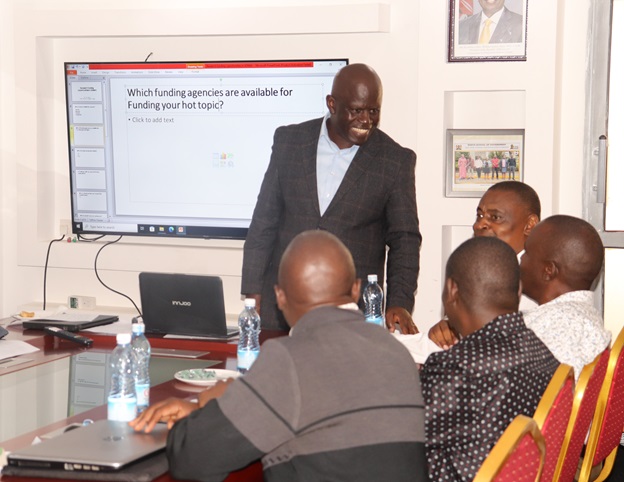
The Director Research and Postgraduate Support, Prof. Peter Bukhala guiding the participants through the topics of the group discussion during the workshop.
The Director Research and Postgraduate Support, Prof. Peter Bukhala noted that the University funds workshops to increase capacity of researchers for successful grant proposals. He engaged the participants in active group discussion where they came up with ideas in the areas of agriculture, energy, technology, theory and modeling in research.
“It is our commitment to have multi-disciplinary teams, more outputs from the school, address concerns about our products, establish evidence based research, and proper leadership. I welcome you all to the Directorate so that we can work together towards the success of our proposals. I urge you to attend research meetings to share knowledge and increase our chances of winning. Let us embrace modeling with other areas to increase our numbers,” stated Prof. Bukhala.
Prof. Bukhala advocated for provision of adequate equipment and facilities for conducting research, establishing collaborations in well- established institutions, teamwork, and sacrifice in order to come up with a deliberate paper.
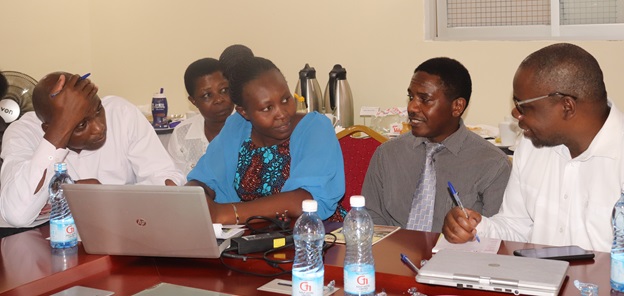
Chemistry group holding a discussion during the workshop.
Expressing his delight, the Dean SONAS- Dr. Joseph Owino pointed out that such workshops are key to empowering scholars to write fundable grant proposals and the school is expecting proposals which attract funding. He stated that commercialization of research will enable the University to get income to support its operations.
“I believe this is a golden opportunity that will enable our researchers to come up with top notch grant proposals. It is my pride that the knowledge gained will be used to obtain equipment and facilities of research, teaching and learning in the school. It is our mandate to concentrate on the innovative research that saves livelihoods. I thank the University management for their support towards this cause. We look forward to increasing the number of successful grant proposals,” stated Dr. Owino.
Certainly, the workshop empowered the scholars to produce competitive grant proposals as well as conduct effective scientific research which will help them develop various areas of study. Moreover, the knowledge gained will help the researchers solve pre-existing problems and new ones that might occur in the future.
By Verna Awuor Kungu
Photos by Wangari Wambugu
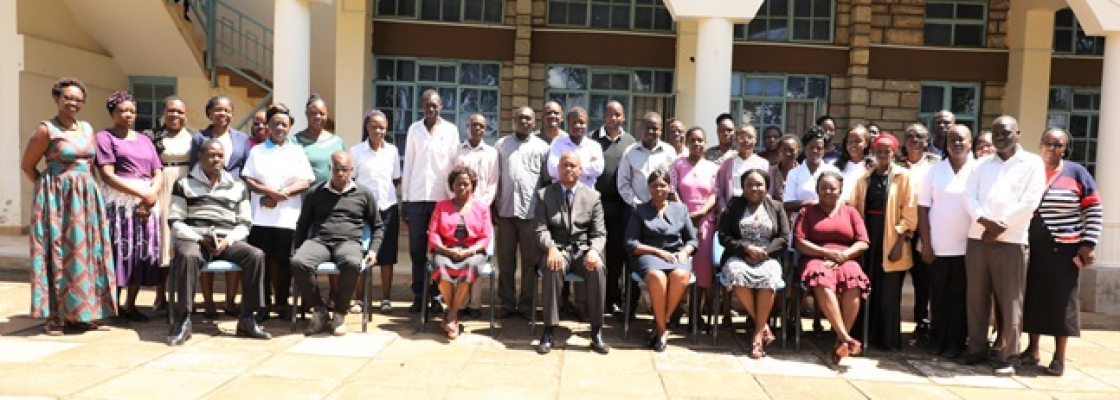
Participants at the sensitization workshop.
Masinde Muliro University of Science and Technology has set in motion a series of workshops to sensitize staff on mental health, in line with SDG number 3. The workshop which was held on 7th June, 2023 was aimed at raising awareness about mental health and the reducing stigma associated with mental illness. It was steered by the Coordinator, AIDS Control, Gender and Disability Mainstreaming Unit, Prof. Gladys Mengich.
The Deputy Vice Chancellor, Planning, Research and Innovation, Prof. Charles Mutai officially opened the workshop. Speaking at the workshop he said that mental health is an important area for the community, adding that in many families we have a lot of pressure that results in stress and mental disorder.
“Trauma affects one’s mental health. Terminal diseases also escalate our stress levels, thereby affecting our mental health. Mental disorders are also caused by genetics due to hormonal imbalance. As a University we are committed to providing a conducive environment for staff and students. Let us set aside time to relax,” he said.
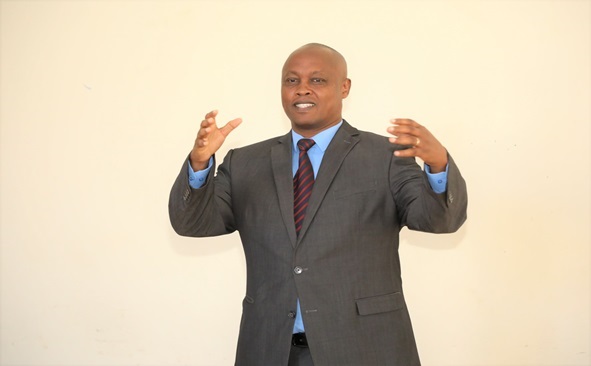
Deputy Vice Chancellor (PR&I) Prof. Charles Mutai speaking at the workshop.
Prof. Gladys Mengich gave an overview of the work of the ACGDMU saying that there are new ways to manage stress. Concurring with Prof. Mengich, the Registrar PRI, Prof. Alice Ndiema advised participants to interact and speak more in order to release stress.
Ms. Roselyn Abwalaba who represented Chairperson, Aids Control Unit, Prof. Elizabeth Omukunda said that there was a team in place to check the non- communicable diseases such as; Hypertension and Diabetes. “Our Mental health is very important. There are a lot of cases of depression. When employees are stressed performance goes down”, said Ms. Abwalaba. She added that the unit will ensure that the mental health of employees is taken care of.
Commenting on the importance of communication to good mental health, the Director, Corporate Communications and Marketing, Dr. Lydia Anyonje pointed out that mental health is critical to all human beings. “How we respond to other people communicates and determines our stress levels. Communicate to other people the way you would like to be communicated to. In order to thrive mentally mind the way we should smile more and communicate better with others,” She stated.
Mr. Felix Ambuche from the MMUST clinic gave an overview on mental health as well as the Comorbities associated with stress. “Depression is one of the leading causes of disability and suicide is the 4th leading cause of death among 15-29 year olds. Many mental health conditions can be effectively treated at relatively low cost,” he said. He also discussed mental health continuum, common types of mental health and mental health promotion and protection.
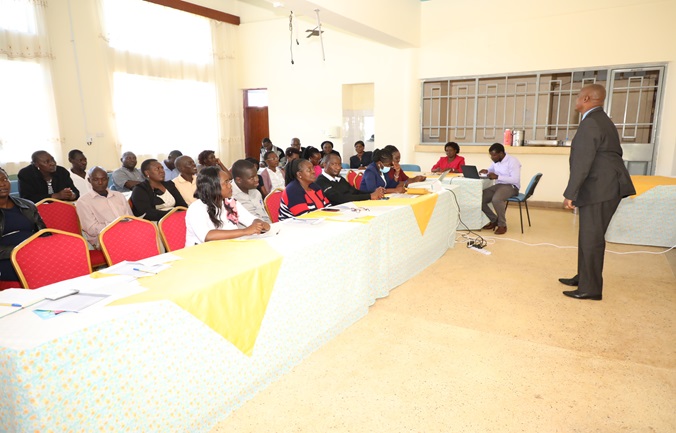
Deputy Vice Chancellor addressing the participants during the event.
Ms. Rose Abwalaba tackled stress and stress management at work. “Over 87% of adults globally suffer stress and stress related symptoms and 63% of workers are ready to quit their jobs because of work related stress. Stress is not an illness but it can cause serious illness if it isn’t addressed,” she said. She later spoke about types of stress, symptoms of stress, causes of stress, risks associated with stress and how to avoid them.
Clearly, mental health is as important as physical health and must be nurtured. Positive mental health at work helps staff to flourish in their roles, manage stress and boosts resilience. Good health and well-being is critical to the mental health and emotional stability of staff, This sensitization by MMUST is a commendable method of ensuring that this happens.
By; Melody Mutua and Sylvia Shibutuli
Photos by; Shiundu Masafu
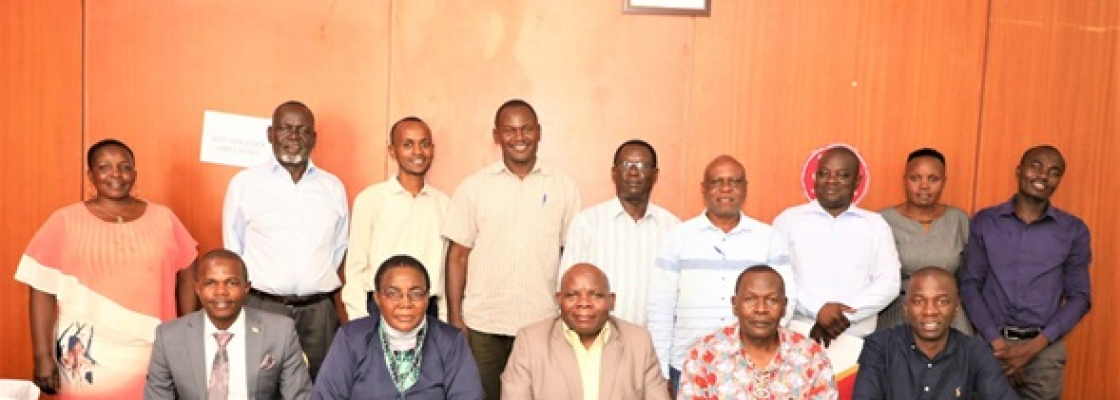
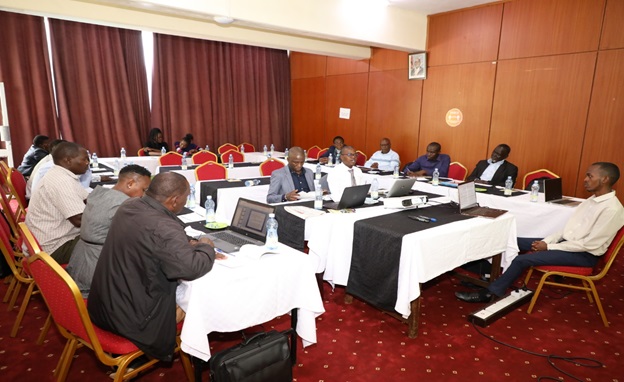
SPHBS&T staff and PHOTC Council during the workshop.
The School of Public Health Biomedical Sciences and Technology has reviewed its BSc. Public Health curriculum to align it with the requirements of Public Health Officers and Technician Council (PHOTC). This was done in a workshop held on 5th ,6th and 7th June 2023 at Golf hotel-Kakamega. This workshop was organised by the Department of Public Health with the School’s Dean, Prof. Edwin Wamukoya on the forefront.
Registrar academics Prof. Thomas Sakwa, who represented the Vice chancellor Prof. Solomon Shibairo and the Deputy Vice chancellor, Prof. Hussein Golicha (Academic Affairs), assured the Council that the University will be able to administer and assess council exams.
“As a University we are grateful that the council agreed to come and review the curriculum. Let us work together to ensure our students receive the best knowledge that is suitable for the modern job market, “he said.
The SPHBS&T Dean, Prof. Edwin Wamukoya, appreciated the Council, saying that it was the first meeting they have had in the School of Public Health related to curriculum design and implementation. “There is a need to review and implement some programmes that will be of great help to the students taking the Public Health course. This will enable them to have equal opportunities with others in various fields,” he stated.
He urged the council to consider some of the demands presented by the School so that its students can be accredited after graduating. Dean informed the workshop members that CBC had necessitated a change in the admission & grading system to align with the PHOTC guidelines.
Speaking at the workshop, SPHBS&T Chairperson, Dr. Maximilla Wanzala, informed the workshop that upgrading had already been approved by the Senate. However, challenges still exist between the University and PHOTC. She urged the Council to consider their grievances and work together to ensure that students taking BSc. Public Health have a brighter future.
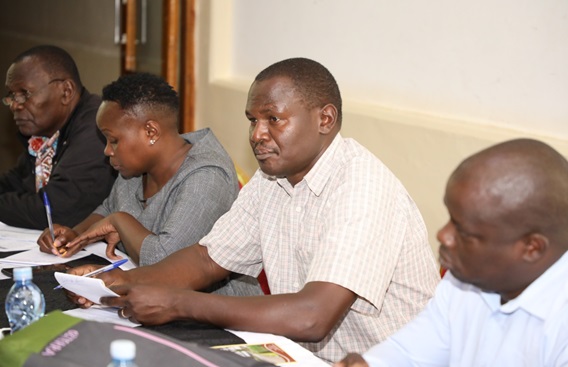
Dr. William Kitagwa (Far left), Dr. Maximilla Wanzala (centre), Dr. Ronald Wanyama (centre), and Mr. Edwin Ambasu (Right) from CDH-Kakamega paying attention to the presentation.
PHOTC CEO, Mr. Aggrey Oriema pointed out that technical heads and mentors should have PhD qualification. He applauded the University for having a good infrastructural support system such as the highly equipped Engineering & Biotech lab that can support some of the Public Health units. “The Training Needs Assessment Approaches (TNA) has put a lot of emphasis on CBC and is toying with the idea of assessment to be reviewed to 50/50 (Lecture/Practical),” he said.
The CEO of PHOTC, Mr. Aggrey Oriema and Mr. Thomas Maera (centre) following a presentation.
He advised that there were special requirements for regulated programs to have Technical heads, adding that when PHOTC was assessing, the technical head of the department had some weight. PHOTC was available to support the University in organizing the Public Health department.
Further, Mr. Oriema said that CUE and PHOTC perform different functions where CUE regulates academic programs while PHOTC regulates the profession. On his part, Dr. Kitagwa applauded MMUST for being a serious institution. He attributed this to the fact that MMUST has set up a serious skills lab Procurement with some of the equipment, and has already done final renovation which is at an advanced stage. He said that the University has already purchased a standardized moisture tester. He was amazed that the institution has already employed 3 staff as supplementary lecturers.
Present at the workshop were: Ms. Tabitha Kwasira, Mr. Nicholas Makotsi, Mr. Ronald Wamalwa from MMUST; Mr. Thomas Maera from PHOTC as well as Mr. Anton. M. Ngaira and Mr. Edwin Ambasu from (CDH)-Kakamega.
With such partnerships, MMUST is set to produce graduates who are acceptable and suit the job market. This review is indeed a step in the right direction.
By; Ivy Alivitsa and Milicent Masitsa
Photos by; Shiundu Masafu
P. O. BOX 190-50100, Kakamega
dummy+254 702597360/1
733120020/2
dummy info@mmust.ac.ke